
 Send Inquiry


 Send Inquiry
HDPE Waste Management Treatment Geomembrane For Construction
MOQ : 100 Meters
HDPE Waste Management Treatment Geomembrane For Construction Specification
- Material
- HDPE (High-Density Polyethylene)
- Characteristics
- UV-resistant, puncture-resistant, chemical-resistant, durable, impermeable
- Application
- Waste management, landfill lining, pond lining, aquaculture, construction foundations, environmental protection projects
- Length x Width
- Customizable (typical rolls in 5-8 meters width and up to 50 meters length)
- Color Detail
- Solid Black
- Disposable
- Yes
- Color
- Black
- Thickness
- 0.5 mm to 2.0 mm (customizable)
- Installation Method
- Hot wedge welding, extrusion welding, or fusion welding
- Tensile Strength
- 16 MPa
- Temperature Range
- -60C to +60C
- Elongation at Break
- 700%
- Service Life
- More than 10 years under normal use
- Water Permeability
- 1.010 gcm/(cmsPa)
- Surface Finish
- Smooth or textured (customizable)
- Roll Weight
- Varies according to size and thickness (approx. 50-500 kg per roll)
- Toxicity
- Non-toxic, safe for environmental applications
HDPE Waste Management Treatment Geomembrane For Construction Trade Information
- Minimum Order Quantity
- 100 Meters
- Payment Terms
- Cash in Advance (CID), Cash Advance (CA), Cheque
- Supply Ability
- 500 Meters Per Week
- Delivery Time
- 1 Week
- Sample Available
- No
- Main Export Market(s)
- Asia
- Main Domestic Market
- All India
About HDPE Waste Management Treatment Geomembrane For Construction
Geomembranes are used in landfill caps to prevent fluid flow into the landfill, thereby reducing or eliminating the generation of waste liquid after filling the landfill. The cap is also designed to trap and properly vent the gases generated during decomposition of organic waste. Another advantage is that the completed cap allows for efficient revegetation and restoration of the land. In addition, it may be possible to expand the landfill vertically, thereby enlarging the landfill capacity.Exceptional Durability and Safety
Engineered from high-density polyethylene (HDPE), this geomembrane delivers robust resistance to chemicals, punctures, and harsh weather conditions. Its non-toxic composition ensures suitability for sensitive environmental projects such as waste management and aquaculture. The service life surpasses 10 years, providing a reliable, long-term solution for containment and lining requirements.
Versatile Customization and Installation
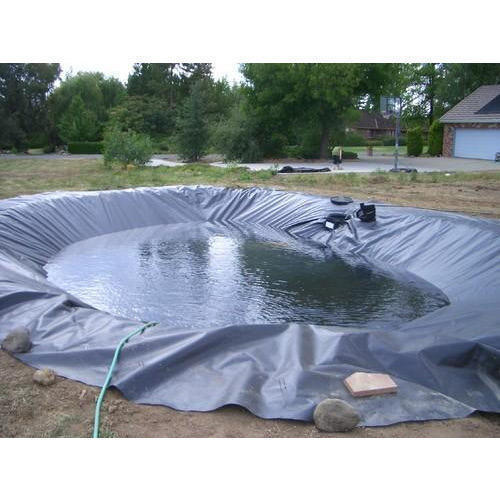
With customizable thickness (0.5 mm - 2.0 mm) and sizes, this geomembrane accommodates diverse project needs, from construction foundations to landfill linings. Installation is straightforward with hot wedge, extrusion, or fusion welding techniques, further enhancing project efficiency and ensuring a secure, leak-proof seal in a range of temperature conditions.
FAQ's of HDPE Waste Management Treatment Geomembrane For Construction:
Q: How is the HDPE Waste Management Geomembrane installed in construction projects?
A: The geomembrane is installed using specialized welding methods, including hot wedge welding, extrusion welding, or fusion welding. These techniques ensure seamless joining of sheets, providing a secure, impermeable barrier essential for waste containment or foundation lining.Q: What makes this geomembrane suitable for waste management and environmental protection?
A: Its high tensile strength, elongation, and extremely low water permeability make the HDPE geomembrane ideal for managing waste and protecting the environment. The non-toxic, chemical-resistant material prevents leakage and contamination, safeguarding surrounding soil and water bodies.Q: When should a smooth versus a textured geomembrane surface be used?
A: A smooth surface is generally chosen for applications requiring strong impermeability and ease of cleaning, such as liquid waste containment. A textured surface offers enhanced friction and stability, making it preferable for projects involving steep slopes or requiring soil interaction.Q: Where can this geomembrane be applied?
A: This product is versatile and widely used for landfill lining, pond and reservoir lining, aquaculture ponds, construction foundations, and various environmental protection projects. Its customizable dimensions suit both large and small installations.Q: What are the benefits of using HDPE geomembrane compared to other materials?
A: HDPE geomembrane offers exceptional durability, UV and chemical resistance, long service life, and strong flexibility. Its non-toxic and reusable nature ensures safety for environmental applications while reducing long-term maintenance costs.Q: How does the geomembrane's impermeability benefit waste management systems?
A: The extremely low water permeability ( 1.01013 gcm/(cm2sPa)) prevents leachate migration, ensuring complete containment of waste. This protection is critical for maintaining groundwater quality and meeting regulatory standards in waste management facilities.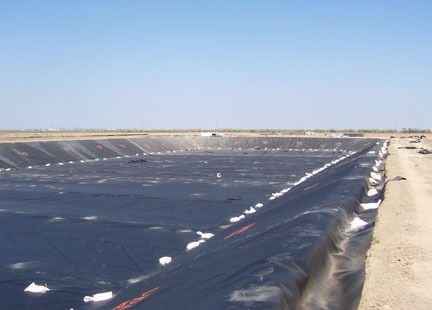
Tell us about your requirement

Price:
Quantity
Select Unit
- 50
- 100
- 200
- 250
- 500
- 1000+
Additional detail
Mobile number
Email

More Products in Geotextile Category
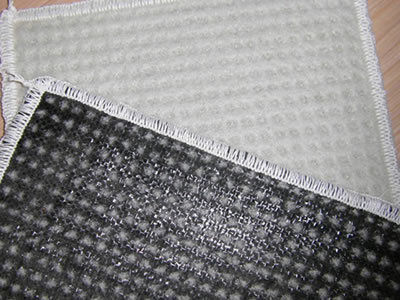
Ocean Global Hdpe Geo-synthetic Clay liners
Minimum Order Quantity : 100 Meters
Material : Other Material, HDPE (HighDensity Polyethylene) with Bentonite Clay core
Color : Black
Thickness : Typically 46 mm
Length x Width : Customizable, typically 5.86m width, rolls up to 40m length
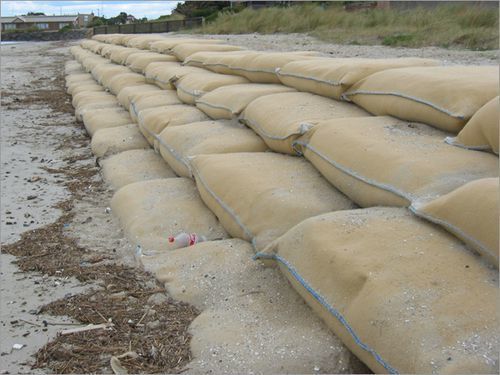
River Bank Protection Geobags
Minimum Order Quantity : 100 Meters
Material : Jute
Color : Brown
Thickness : 5.5 Millimeter (mm)
Length x Width : 60120 Meter (m)
Georgette Texture : Plain

HDPE Geomembrane for Pond
Minimum Order Quantity : 100 Meters
Material : polypropylene(pp)
Color : Black
Thickness : 5.5 Millimeter (mm)
Length x Width : 60120 Meter (m)
Georgette Texture : Plain

 Contact Us
- 45KM Stone, Delhi Rohtak Road, Rohad, Jhajjar - 124507, Haryana, India
- Phone : 07313726575
GST : 06AAACO5112C1Z5

- Mr. Mukul Goel (Director)
- Mobile : 07313726575
- sales@oceangeosynthetics.com
- Direct No. : +918447226007
Email us : sales@oceangeosynthetics.com
 PRODUCTS
- Geotextile
- Ocean Geomembrane
- Ocean Geotextile
- Ocean Geo Grid
- Ocean Geo Bags
- Ocean Gabion Box
- Ocean Geocomposite
- Ocean Drain Cell
- Ocean Geo Cell
- Construction Site Polythene Sheet
- Plastic Cell Filled Concrete
- Ocean Jute Geotextile
- Geosynthetic Clay Liners
- Geotextile Fabrics
- Drainage Board
- Hdpe Tarpaulin
- Biofloc Tank
- Erosion Control Mat
- Pvc Perforated Pipe
- HDPE Geopipe
- Canal Liner
 Send Inquiry
 Send SMS
 Call Me Free
OCEAN NON WOVEN PVT. LTD.
All Rights Reserved.(Terms of Use)
Developed and Managed by Infocom Network Private Limited.
Developed and Managed by Infocom Network Private Limited.


