
 Send Inquiry


 Send Inquiry
Ocean Global Hdpe Geo-synthetic Clay liners
MOQ : 100 Meters
Ocean Global Hdpe Geo-synthetic Clay liners Specification
- Material
- HDPE (High-Density Polyethylene) with Bentonite Clay core
- Characteristics
- High impermeability, Chemical resistance, Durable and flexible, Self-healing in case of punctures
- Application
- Landfill liners, Mining, Water ponds, Canals, Waste containment, Environmental protection projects
- Length x Width
- Customizable, typically 5.8-6m width, rolls up to 40m length
- Color Detail
- Black geomembrane exterior, gray clay interior
- Disposable
- Yes
- Color
- Black/Gray
- Thickness
- Typically 4-6 mm
- Bentonite Mass per Unit Area
- 4-5 kg/m
- Peel Strength
- 50 N/100mm
- Service Life
- Over 50 years under covered conditions
- Roll Weight
- Approx. 45-55 kg/roll depending on size
- Tensile Strength
- 600 N/100mm
- UV Resistance
- Good, suitable for outdoor exposure
- Waterproof Efficiency
- Excellent, ideal for liquid barrier applications
- Installation Method
- Simple overlap, can be sealed mechanically or chemically
- Permeability Coefficient
- 1.0 x 10 m/s
Ocean Global Hdpe Geo-synthetic Clay liners Trade Information
- Minimum Order Quantity
- 100 Meters
- Payment Terms
- Cheque, Cash Advance (CA), Cash in Advance (CID)
- Supply Ability
- 500 Meters Per Week
- Delivery Time
- 1 Week
- Sample Available
- No
- Main Export Market(s)
- Asia
- Main Domestic Market
- All India
About Ocean Global Hdpe Geo-synthetic Clay liners
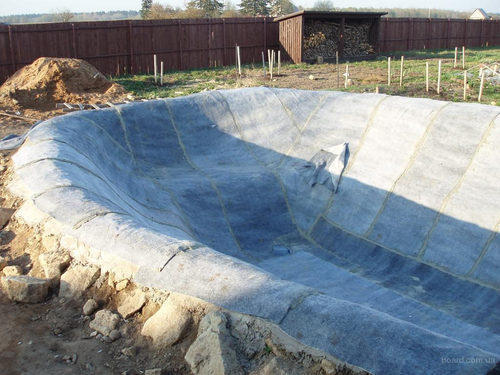
Geosynthetic clay lineris also named sodium bentonite composite waterproof pad. This is to make high swelling sodium bentonite filling into the inside between special composite geotextile and non-woven fabric. The bentonite impermeable cushion that made of acupuncture method can form a lot of small fiber spaces. This is to make the bentonite particles can not flow in one direction. When encountering water, it can form uniformly high density colloidal waterproof layer in the pad, and effectively prevent water leakage. Geosynthetic clay liner is suitable for artificial lake water, landfill, underground garage, roof garden, pool, oil depot and chemicals yard.Features
- Lightweight.
- Small volume.
- Excellent flexibility.
- Simple construction.
- Permanent waterproof.
- Good sealing performance.
- Green environmental protection.
Superior Waterproofing Performance
Ocean Global HDPE Geo-synthetic Clay Liners offer unparalleled waterproof efficiency, featuring a bentonite mass of 4-5 kg/m2 and an exceptionally low permeability coefficient of 1.0 x 10¹¹ m/s. The clay-core's ability to self-heal minor punctures ensures long-term, dependable containment for liquids in challenging environments such as landfills and water reservoirs.
Flexible and Durable Design
The liners are engineered with high tensile (600 N/100mm) and peel strength (50 N/100mm), promoting stability and resistance to mechanical stress. Their HDPE exterior combined with a gray bentonite clay interior enables them to withstand environmental pressures, UV exposure, and various chemicals, all while remaining flexible for easy handling and installation.
Customizable Solutions for Various Applications
With customizable length and width options (typically 5.8-6m wide, up to 40m long), Ocean Global HDPE geo-synthetic liners are suitable for numerous containment uses. From mining and environmental protection to water management and waste containment, these liners are tailored to meet site-specific requirements in India and beyond.
FAQ's of Ocean Global Hdpe Geo-synthetic Clay liners:
Q: How are Ocean Global HDPE Geo-synthetic Clay Liners installed on-site?
A: Installation involves overlapping the sheets and then sealing them either mechanically or chemically. The process is straightforward, eliminating the need for complicated machinery, which helps minimize installation time and labor costs.Q: What is the main benefit of using these liners in environmental protection projects?
A: The liners provide high impermeability and chemical resistance, making them highly effective for preventing contamination and protecting soil and water resources in projects like landfills, canals, and waste containment systems.Q: When is the ideal time to use these liners in construction projects?
A: These liners are best installed during the foundation or early containment phases, ensuring a robust liquid barrier before introducing waste or water. Early installation helps maximize liner integrity and protection.Q: Where can Ocean Global HDPE Geo-synthetic Clay Liners be applied?
A: They are suitable for use in landfills, mining operations, canal linings, water ponds, waste containment, and a wide range of environmental protection projects, offering reliable long-term performance in diverse settings.Q: What makes these liners durable under outdoor conditions?
A: The HDPE exterior provides good UV resistance, while the bentonite clay core and inherent flexibility enhance their durability, even in exposed environments. When covered, their service life extends beyond 50 years.Q: How does the self-healing feature of the clay liner work?
A: If punctured, the bentonite clay core swells upon contact with water, automatically sealing small gaps and maintaining the liner's impermeability. This self-healing property adds significant value for long-term containment reliability.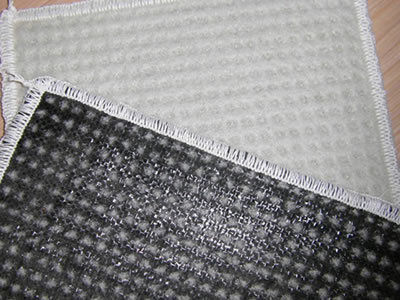
Tell us about your requirement

Price:
Quantity
Select Unit
- 50
- 100
- 200
- 250
- 500
- 1000+
Additional detail
Mobile number
Email

More Products in Geotextile Category

Geogrid Textile For Construction
Minimum Order Quantity : 100 Meters
Material : Other Material, Polypropylene / Polyester
Color : Black
Length x Width : Customizable (e.g., 50m x 4m, 100m x 4m)
Thickness : 1.2 mm 3 mm
Georgette Texture : Other, Woven / NonWoven Grid Structure
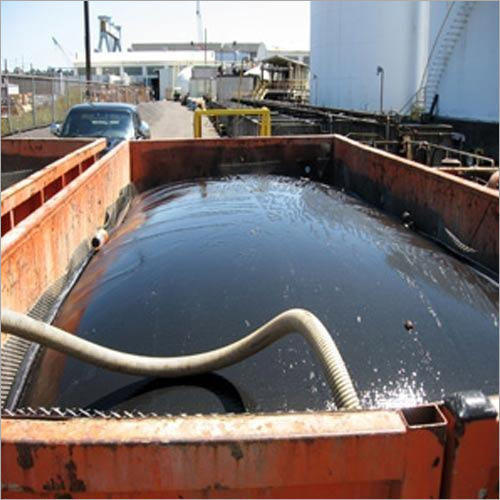
Geo Tube
Minimum Order Quantity : 100 Meters
Material : Other Material, High Strength Woven Polypropylene/Polyester Geotextile
Color : Black or Customized
Length x Width : Custom Size (Commonly upto 30m x 6m or as per project)
Thickness : 14 mm (Depending on Fabric Type)
Georgette Texture : Other, Woven Fiber Construction
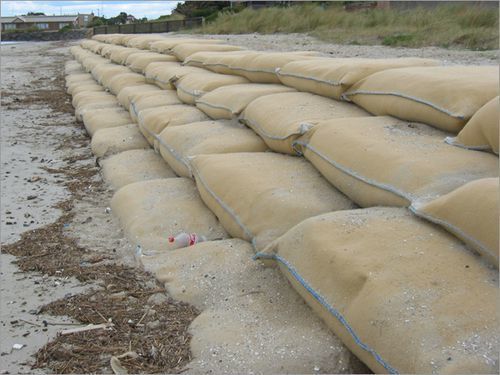
River Bank Protection Geobags
Minimum Order Quantity : 100 Meters
Material : Jute
Color : Brown
Length x Width : 60120 Meter (m)
Thickness : 5.5 Millimeter (mm)
Georgette Texture : Plain
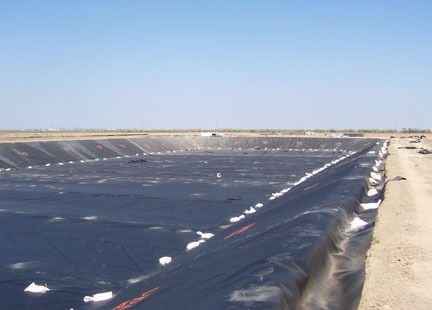
HDPE Waste Management Treatment Geomembrane For Construction
Minimum Order Quantity : 100 Meters
Material : Other Material, HDPE (HighDensity Polyethylene)
Color : Black
Length x Width : Customizable (typical rolls in 58 meters width and up to 50 meters length)
Thickness : 0.5 mm to 2.0 mm (customizable)

 Contact Us
- 45KM Stone, Delhi Rohtak Road, Rohad, Jhajjar - 124507, Haryana, India
- Phone : 07313726575
GST : 06AAACO5112C1Z5

- Mr. Mukul Goel (Director)
- Mobile : 07313726575
- sales@oceangeosynthetics.com
- Direct No. : +918447226007
Email us : sales@oceangeosynthetics.com
 PRODUCTS
- Geotextile
- Ocean Geomembrane
- Ocean Geotextile
- Ocean Geo Grid
- Ocean Geo Bags
- Ocean Gabion Box
- Ocean Geocomposite
- Ocean Drain Cell
- Ocean Geo Cell
- Construction Site Polythene Sheet
- Plastic Cell Filled Concrete
- Ocean Jute Geotextile
- Geosynthetic Clay Liners
- Geotextile Fabrics
- Drainage Board
- Hdpe Tarpaulin
- Biofloc Tank
- Erosion Control Mat
- Pvc Perforated Pipe
- HDPE Geopipe
- Canal Liner
 Send Inquiry
 Send SMS
 Call Me Free
OCEAN NON WOVEN PVT. LTD.
All Rights Reserved.(Terms of Use)
Developed and Managed by Infocom Network Private Limited.
Developed and Managed by Infocom Network Private Limited.


