
 Send Inquiry


 Send Inquiry
River Bank Protection Geobags
MOQ : 100 Meters
River Bank Protection Geobags Specification
- Material
- Jute
- Georgette Texture
- Plain
- Georgette Style
- Non Woven
- Length x Width
- 60-120 Meter (m)
- Color
- Brown
- Thickness
- 5.5 Millimeter (mm)
River Bank Protection Geobags Trade Information
- Minimum Order Quantity
- 100 Meters
- Payment Terms
- Cash in Advance (CID), Cash Advance (CA), Cheque
- Supply Ability
- 500 Meters Per Week
- Delivery Time
- 1 Week
- Main Export Market(s)
- Asia
- Main Domestic Market
- All India
About River Bank Protection Geobags
River Bank Protection Geobags that have been filled are hefty and are frequently subjected to harsh handling during installation. This sent to site is built and tested to stringent standards to guarantee that it can resist installation forces without bursting. They are made of strong grade woven tapes and are stitched such that the seams may endure rigorous usage without bursting. River Bank Protection Geobags are chosen because of their overall cost effectiveness and simplicity of filling and handling. Furthermore, the fabric used to make the bags is engineered to assure soil particle retention through a variety of hydraulic, dynamic, and abrasive loads.
Application:-
- Riverbank Revetments & Floods Protection
- Hydraulic Erosions
- Reinforcing shoreline structure
- Coastal Reclamation
Robust Erosion Protection for River Banks
Our jute geobags are specifically engineered for river bank protection. Their substantial thickness and large dimensions enable them to form stable, flexible barriers that absorb river energy and prevent soil loss. The plain, non-woven georgette style ensures even strength distribution, reducing the risk of tearing and enhancing the geobag's effectiveness in demanding environments.
Environmentally Responsible Materials
Crafted from natural jute, these geobags offer a sustainable solution for river bank and agricultural applications. The biodegradable nature of jute ensures minimal environmental impact, making them a preferred choice for eco-conscious projects. Our manufacturing process maintains the integrity of the material, delivering geobags that are both resilient and environmentally friendly.
FAQ's of River Bank Protection Geobags:
Q: How are the river bank protection geobags installed?
A: The geobags are placed along riverbanks or embankments where erosion protection is needed. Filled with soil or sand and securely layered, they form a barrier that stabilizes the bank. Installation typically involves setting the bags in overlapping rows to ensure structural integrity and prevent displacement during high water flow.Q: What benefits do jute-based geobags offer over synthetic alternatives?
A: Jute geobags are biodegradable, eco-friendly, and do not introduce microplastics into the environment. Their natural fibers encourage vegetation growth, which further reinforces riverbanks, and they decompose harmlessly after serving their protective function, making them an optimal sustainable choice.Q: When should these geobags be used for river bank protection?
A: It is best to deploy geobags before or during the early stages of erosion, or immediately after flood events. Prompt installation helps arrest further soil loss, allowing time for natural vegetation to take root and fortify the bank.Q: Where can your geobags be supplied from in India?
A: We operate as exporters, manufacturers, suppliers, and wholesalers from India, providing nationwide distribution. Our network ensures timely delivery across regions where river bank or agricultural protection is required.Q: What is the process of manufacturing these geobags?
A: Our geobags are manufactured using plain, non-woven georgette-style jute, stitched to specified dimensions and thickness. Quality control measures ensure durability and consistent texture throughout the batch, providing reliable performance in industrial or agricultural settings.Q: How should these geobags be used in agricultural applications?
A: In agriculture, geobags are placed at field boundaries or irrigation channels to prevent soil erosion, especially during heavy rainfall. Their natural fibers integrate with the soil, enhancing structural support and promoting water retention for crops.Q: What are the main advantages of using your geobags for industrial projects?
A: Our geobags provide strong, customizable protection for large-scale riverbank stabilization and shoreline management. Their robust design, adaptability to various site conditions, and minimal environmental footprint make them highly suited for industrial use.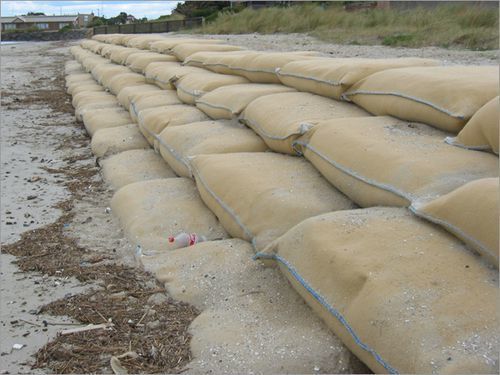
Tell us about your requirement

Price:
Quantity
Select Unit
- 50
- 100
- 200
- 250
- 500
- 1000+
Additional detail
Mobile number
Email

More Products in Geotextile Category
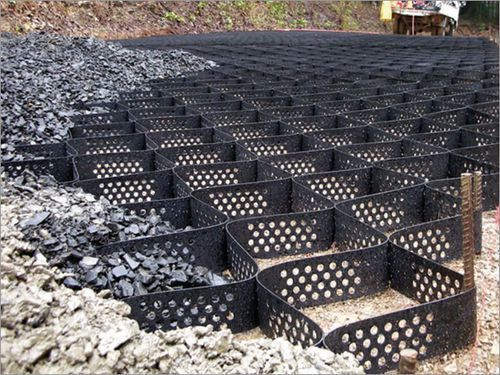
Geocell for Road Construction
Minimum Order Quantity : 100 Meters
Material : polypropylene(pp)
Color : Black
Length x Width : 60120 Meter (m)
Thickness : 5.5 Millimeter (mm)
Georgette Texture : Dyed
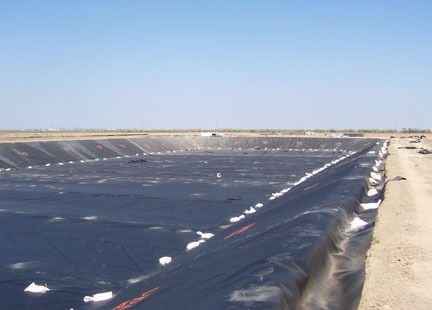
HDPE Waste Management Treatment Geomembrane For Construction
Minimum Order Quantity : 100 Meters
Material : Other Material, HDPE (HighDensity Polyethylene)
Color : Black
Length x Width : Customizable (typical rolls in 58 meters width and up to 50 meters length)
Thickness : 0.5 mm to 2.0 mm (customizable)

Non Wovens Geotextile
Minimum Order Quantity : 100 Meters
Material : polypropylene(pp)
Color : White
Length x Width : 60120 Meter (m)
Thickness : 5.5 Millimeter (mm)
Georgette Texture : Cut Piece

Slope Erosion Control Jute Geotextile
Minimum Order Quantity : 100 Meters
Material : Jute
Color : Light Brown
Length x Width : 60120 Meter (m)
Thickness : 5.5 Millimeter (mm)
Georgette Texture : Dyed

 Contact Us
- 45KM Stone, Delhi Rohtak Road, Rohad, Jhajjar - 124507, Haryana, India
- Phone : 07313726575
GST : 06AAACO5112C1Z5

- Mr. Mukul Goel (Director)
- Mobile : 07313726575
- sales@oceangeosynthetics.com
- Direct No. : +918447226007
Email us : sales@oceangeosynthetics.com
 PRODUCTS
- Geotextile
- Ocean Geomembrane
- Ocean Geotextile
- Ocean Geo Grid
- Ocean Geo Bags
- Ocean Gabion Box
- Ocean Geocomposite
- Ocean Drain Cell
- Ocean Geo Cell
- Construction Site Polythene Sheet
- Plastic Cell Filled Concrete
- Ocean Jute Geotextile
- Geosynthetic Clay Liners
- Geotextile Fabrics
- Drainage Board
- Hdpe Tarpaulin
- Biofloc Tank
- Erosion Control Mat
- Pvc Perforated Pipe
- HDPE Geopipe
- Canal Liner
 Send Inquiry
 Send SMS
 Call Me Free
OCEAN NON WOVEN PVT. LTD.
All Rights Reserved.(Terms of Use)
Developed and Managed by Infocom Network Private Limited.
Developed and Managed by Infocom Network Private Limited.


